What a gum graft is, in plain words
When the gum pulls back, the root of the tooth is left bare. Root surface has no enamel,
so it is sensitive to cold, it notches and wears, and it decays far more easily than the
rest of the tooth. Gum that has receded does not grow back on its own.
A gum graft places a small piece of healthy tissue over the exposed root and secures it
there. As it heals it becomes part of your own gum: thicker, tougher, and sitting where it
should. The tissue can come from the roof of your mouth, or from a processed donor
material that avoids a second surgical site. Which one we use depends on how much
coverage you need and how thin your existing gum is, and we explain the trade-off before
you decide, not after.
Who comes to us for this in Yakima
- People with one or two teeth that sting with cold drinks or ice cream.
- People who have noticed a tooth looking longer, or a notch where gum meets tooth.
- People whose dentist has measured recession getting worse from one visit to the next.
- People with thin gums around a planned implant or orthodontic treatment, where the
gum needs strengthening first.
- People who were told they need a graft years ago and put it off.
Why sooner is better than later
Recession rarely hurts at first, so it is easy to wait. The problem is that it keeps
going, and every millimetre of gum you lose takes bone with it. Grafting a small
recession is a routine procedure with a very predictable result. Grafting a large one,
after the bone has gone, is harder and less certain. If a receding spot has been "kept an
eye on" for a couple of years, that is usually the sign it is time to have it looked at
properly.
Honest about what we check first
A graft only lasts if we deal with what caused the recession. So before we recommend
one, we look for three things: active gum disease driving it, which needs treating
first; a heavy or grinding bite adding to it; and hard brushing wearing the gum away,
which is the most common cause we see. If it is your brushing and nothing changes, the
new tissue will recede too, so we show you what to change.
Not everyone needs a graft. Some recession is stable and simply needs watching. If that
is you, we will say so.
Smoking lowers the success of gum grafts more than almost any other
procedure we do, because the graft survives on a very fine blood supply. We will talk
about it plainly.
What the visit looks like
Most grafts take between sixty and ninety minutes, and several neighbouring teeth can
usually be treated in the same visit rather than one at a time. The area is thoroughly
numbed, so the procedure itself is comfortable. IV sedation and oral sedation are both
available here in Yakima if the idea of it is what has been stopping you.
Afterwards, if the tissue came from the roof of your mouth, that donor site is the part
you notice: think of a pizza burn, sore for about a week. We cover it with a protective
dressing. If we use donor material instead, there is no second site and recovery is
considerably easier. Cold, soft food for the first few days, no brushing on the graft for
the first week, and no pulling your lip out to look at it, which is the most common way a
graft gets disturbed. Most people are back at work the next day. The area looks settled
by two to three weeks and fully blended by about eight.
Why a periodontist
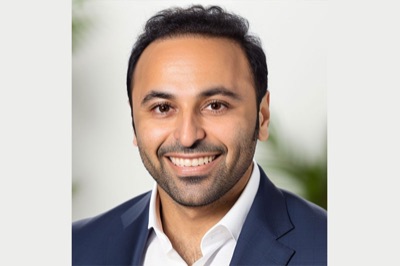
Gum tissue is what periodontists train three extra years to manage. Dr. Abdullah
Alkanan is a Diplomate of the American Board of Periodontology and teaches
periodontics at Pacific Northwest University's School of Dental Medicine, here in Yakima.
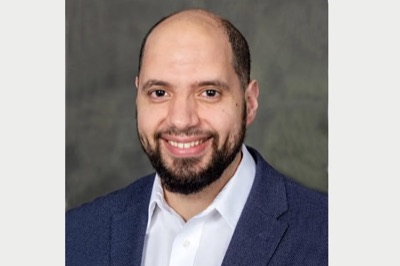
Complex cases are also reviewed with Dr. Muhammad Saleh,
a board-certified periodontist and a lead author of national periodontal guidelines.
Everything happens here in Yakima
Consultation, x-rays, the graft itself and every follow-up visit take place at our
Yakima office. Nothing is sent to another city.
Insurance in Yakima
Our Yakima office is in-network with Delta Dental and with the Careington
network. Other plans are welcome and we file the claim for you. Gum grafting is
often partly covered when there is measurable recession; we check your plan and tell you
what to expect before you decide anything. Monthly payment plans are available for the
balance; see insurance and financing.