
Covering the roots your gums have pulled back from.
Receding gums don't grow back. A graft rebuilds the tissue, covers the exposed root, stops the sensitivity, and — more importantly — stops the recession from continuing.
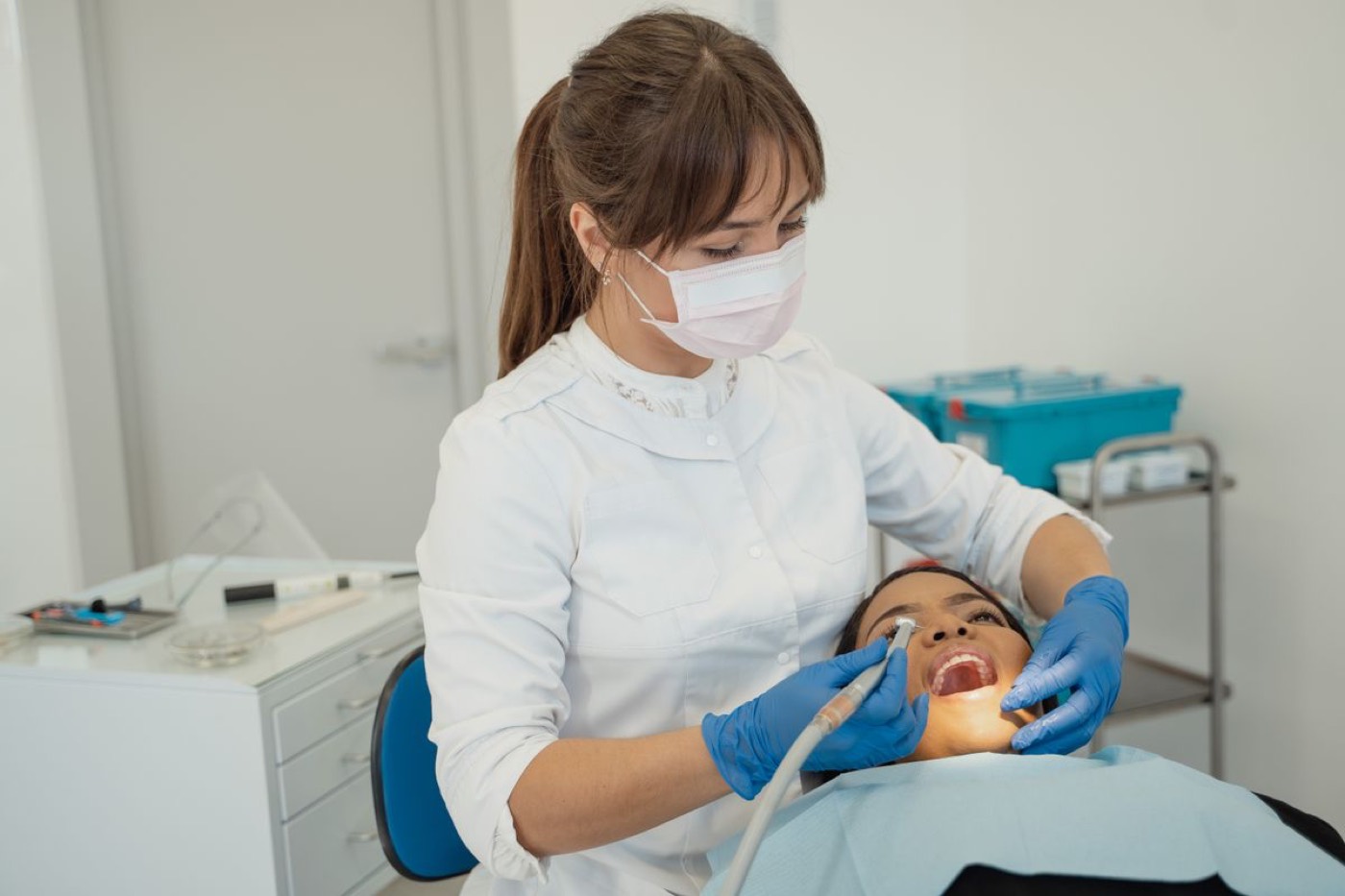
What gum grafting is
When gums recede, the root of the tooth is left uncovered. Root surface isn't built for exposure — it has no enamel — so it's sensitive to cold, it wears and notches easily, and it decays far more readily than the crown of the tooth does.
A gum graft places healthy tissue over that exposed root and secures it there. As it heals, it becomes part of your own gum: thicker, more resistant, and sitting where it should.
The tissue can come from the roof of your mouth, or from a processed donor material that avoids a second surgical site altogether. Which we use depends on how much coverage you need and how thick your existing tissue is. We'll explain the trade-off before you decide, not after.
Why it's worth doing now rather than later
People often wait, because a receding gum doesn't hurt much at first. The problem is that recession is progressive, and every millimetre you lose is a millimetre of bone going with it. Grafting a small recession is a straightforward procedure. Grafting a large one, after the bone has gone, is harder and less predictable.
If your dentist has been "keeping an eye on" a receding spot for a couple of years, that's usually a sign it's time to have it looked at properly.
Does it hurt?
The procedure itself, no — the area is thoroughly numbed and most patients say they felt nothing beyond pressure.
Afterward is more honest territory. If we take tissue from the roof of your mouth, that donor site is the part you'll notice — think of a pizza burn, sore for about a week, worse than the graft site itself. We cover it with a protective dressing and prescribe accordingly.
If we use donor material instead, there's no second site, and recovery is considerably easier. For many patients that's the deciding factor.
IV sedation is available if the idea of it is what's stopping you.
How long does it take?
Between 60 and 90 minutes for most cases, depending on how many teeth we're treating. It's usually possible to do several adjacent teeth in one appointment rather than coming back repeatedly.
What recovery is really like
- Days 1–3: Soreness, mostly at the donor site if there is one. Cold, soft food — this is the one procedure where ice cream is genuinely good advice. No hot liquids.
- Week 1: Do not brush the graft. Do not pull your lip out to look at it, however tempting — that's the most common way patients disturb a graft. You'll rinse with a prescribed mouthwash instead.
- Weeks 2–3: Stitches come out or dissolve. Back to gentle brushing in the area.
- Weeks 4–8: The graft settles, and colour and contour blend with the surrounding gum. It looks noticeably better at eight weeks than at two.
Most people work the next day. Avoid strenuous exercise for about a week.
Who is a good candidate
You probably need this looked at if:
- Teeth are sensitive to cold in one or two specific spots
- A tooth looks longer than the ones next to it
- You can feel a notch or step where the gum meets the tooth
- Your dentist has mentioned recession, or measured it getting worse
What we check first: whether active gum disease is driving the recession (it needs treating first), whether a heavy or grinding bite is contributing, and whether aggressive brushing is the cause — because if it is and we don't change it, the graft will simply recede again.
Smoking meaningfully reduces the success rate of gum grafts, more so than for most procedures, because the graft depends on a fine blood supply to survive.
What it costs, and how people pay for it.
We can't put a real number on a webpage, because the honest answer depends on what your exam and 3D scan show. What we can promise is that you'll get a written treatment plan with an exact figure on it before you commit to anything. No surprises added later.
Most patients have some insurance coverage, and we'll check yours and tell you what it will and won't pay. For the balance, we work with three financing companies so you can spread the cost over time — many patients qualify for plans with no interest if paid within the promotional period.



Ask us at your consultation and we'll walk you through the options and the monthly numbers.
Related treatments
Ready to talk it through?
Call any of our three offices, or send us a request and we'll get back to you. Phone hours are Monday to Friday, 7am to 3pm.